California's Solar Property Tax Exclusion Ends January 1, 2027: What Changes
California's property tax break for new solar ends on January 1, 2027. Which systems stay exempt, what a new system could add to your tax bill, and what to ask before you sign.
For more than four decades, adding solar panels to a California home hasn't raised its property taxes. That's about to change. Under the law as it stands, the state's solar property tax exclusion stops applying to new systems on January 1, 2027.
Here's what the law says, who keeps the exclusion, what a new system could add to your tax bill, and what to ask if you're planning solar now.
The Short Version
- Systems that qualify before January 1, 2027 stay excluded until the home changes ownership.
- Systems that qualify on or after that date can be assessed as new construction, which can add their value to your home's assessed value.
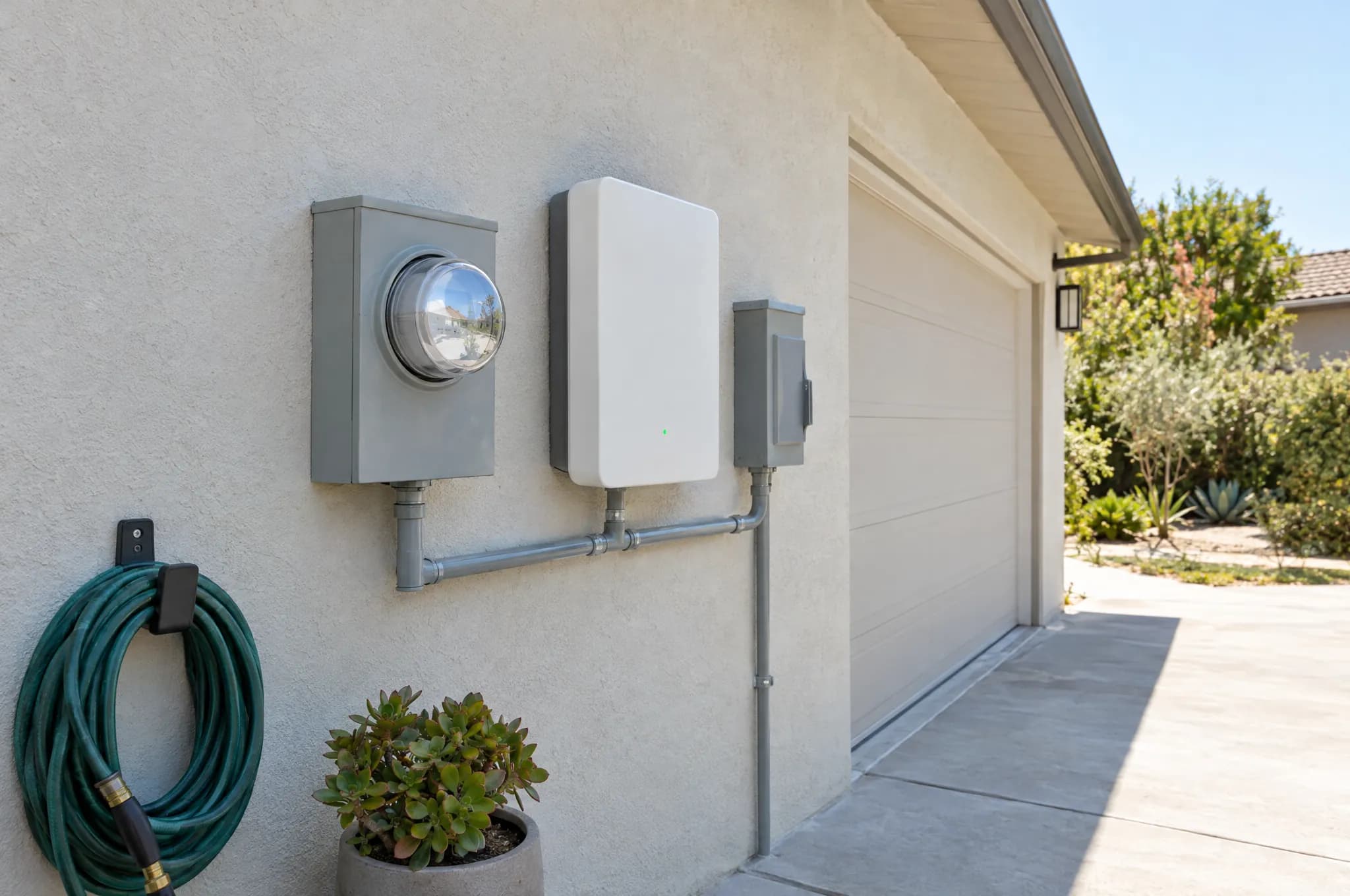
- The battery counts as part of the system. For a solar system that makes electricity, the exclusion covers its storage devices too.
- An extension stalled. AB 2389, a 2026 bill that would have continued the exclusion, was held in committee in May 2026.
What the Exclusion Is
Under Proposition 13, California reassesses a home when it changes hands or when something new is built on it. In 1980, voters approved Proposition 7, which let the Legislature leave active solar energy systems out of "new construction." Section 73 of the Revenue and Taxation Code does exactly that, so installing solar hasn't raised your assessed value.
The definition is broad. For a system that produces electricity, it includes the panels, storage devices, power conditioning equipment, transfer equipment and the parts that make them work.
What Happens on January 1, 2027
The exclusion has carried an end date for years. The latest change, Senate Bill 710 (2025), didn't extend it; it only adjusted how it ends, making it "inoperative" on January 1, 2027. In a September 1, 2026 letter to county assessors, the State Board of Equalization spelled out the result: any system already excluded "will remain excluded from property tax until the property changes ownership."
In other words, systems that qualify before the deadline keep the exclusion until you sell. Systems that qualify after it don't get it.
Does My System Qualify in Time?
The law protects systems that qualify for the exclusion before January 1, 2027. New construction is generally assessed when it's completed, so what usually matters is when your system is finished, not when you signed the contract. Your county assessor decides how your dates are treated, so if your project is close to the line, ask them.
Be realistic about the calendar. From a first consultation to a finished, approved system usually takes about 45 days to 3 months, because permits, city inspections and utility approval take time. A project starting from scratch in November 2026 is unlikely to finish before the deadline. If yours is already underway, ask your installer exactly where it stands.
What a New System Could Add to Your Property Tax
If a system finished after the deadline is assessed as new construction, the county adds the value it assigns to the system to your home's assessed value. California's base property tax rate is 1% of assessed value, plus any local voter-approved charges, so most homeowners pay a little over 1% a year on that added value.
For example, if your county added $20,000 for a solar and battery system, that would come to roughly $200 to $250 a year. Your county's valuation and tax rate decide the real number.
What About Leases and PPAs?
If a leasing company or a PPA provider owns the panels on your roof, the system is theirs, and how its property tax is handled comes down to that company, the assessor and your contract. Before you sign, ask whether any new property tax could be passed on to you.
Buying a Newly Built Home with Solar?
A builder's solar exclusion can pass to the first buyer of a new home, but the buyer has to claim it. Starting January 1, 2027, Assembly Bill 1516 sets a deadline: the initial purchaser's claim (form BOE-64-SES) must be filed with the county assessor within three years of the purchase. A late claim only gets relief going forward.
Is Solar Still Worth It Without the Exclusion?
It depends on your numbers. A system that cuts a large electric bill can still come out well ahead after a few hundred dollars a year in property tax; a home with a small bill may not. Under NEM 3.0 the answer also depends on when you use power, which is why we look at your actual bill before recommending anything. See is solar still worth it under NEM 3.0 for the bigger picture.
Sources
- State Board of Equalization, Letter to Assessors No. 2026/034 (September 1, 2026)
- California Revenue and Taxation Code, Section 73
- AB 2389 (2026), held under submission in committee on May 14, 2026
This article explains the law in general and isn't tax advice. For your property, check with your county assessor.
Want to see what solar would do for your home, with or without the exclusion? Send us your bill for a free review, or check if you qualify.